

Non Woven Fabric & PP Material
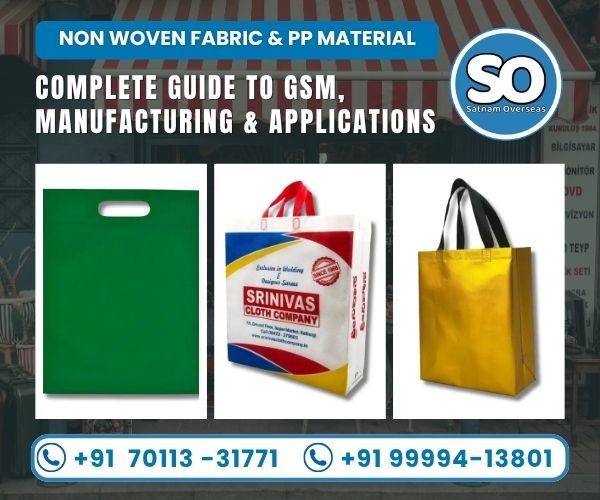
| Product Details ( ₹87/KG Onwards) | |
|---|---|
|
Minimum Order Quantity |
500 KG |
|
Material |
Non Woven Fabric |
|
Use For |
Shopping Bags / Grocery Bags |
|
Price Range |
80-200 INR/ Kilograms |
|
Colours |
Plain & Multicolor Both (Customized Also) |
|
Size |
All Size (Different sizes available as per customer requirements) |
|
GSM |
All GSM Available |
All Products
16 products found | MOQ from 500 Kg | Get Latest Price
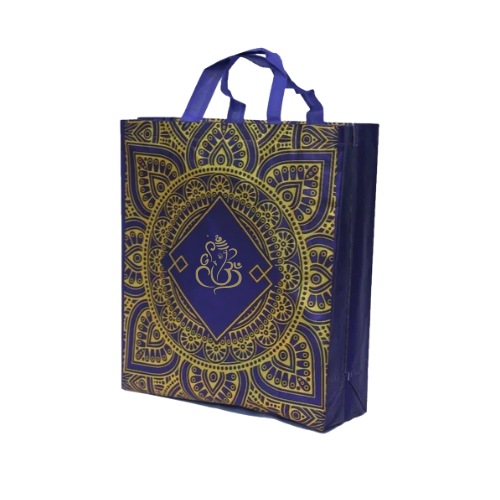
Printed Laminated Loop Handle Non Woven Box Bag
| MOQ | 500 Kg |
|---|---|
| Size | All Sizes Available |
| GSM | All GSM Available |
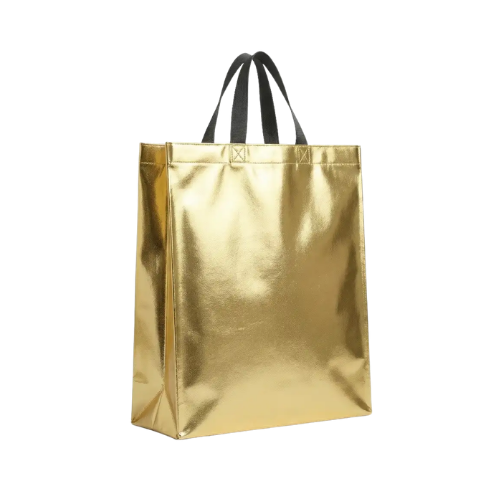
Laminated Loop Handle Non Woven Box Bag
| MOQ | 500 Kg |
|---|---|
| Size | All Sizes Available |
| GSM | All GSM Available |
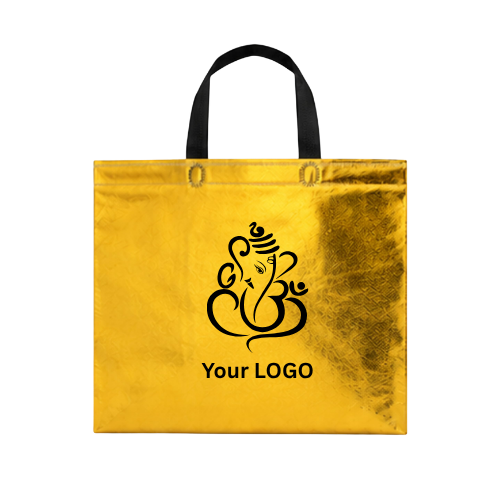
Printed Laminated Loop Handle Non Woven Bags
| MOQ | 500 Kg |
|---|---|
| Size | All Sizes Available |
| GSM | All GSM Available |
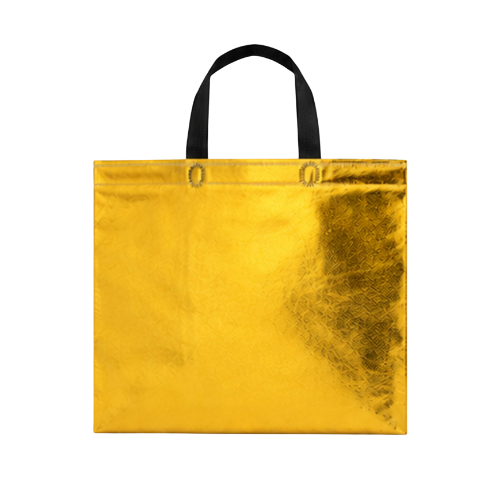
Laminated Loop Handle Non Woven Bags
| MOQ | 500 Kg |
|---|---|
| Size | All Sizes Available |
| GSM | All GSM Available |
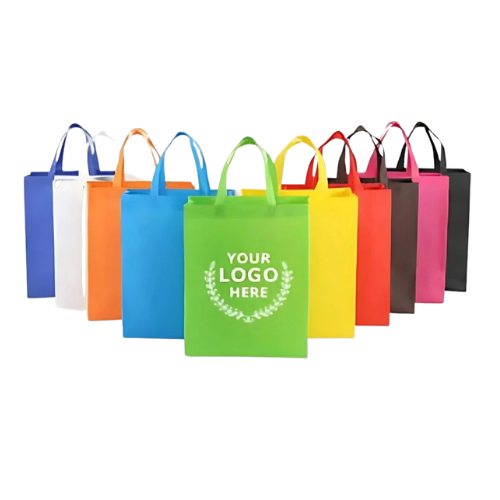
Printed Loop Handle Non Woven Box Bags
| MOQ | 500 Kg |
|---|---|
| Size | All Sizes Available |
| GSM | All GSM Available |
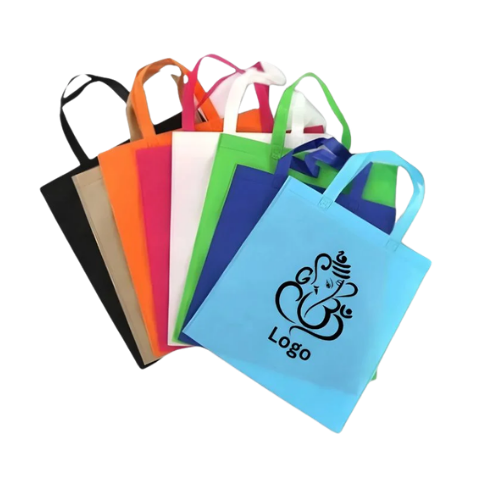
Printed Loop Handle Non Woven Bags
| MOQ | 500 Kg |
|---|---|
| Size | All Sizes Available |
| GSM | All GSM Available |
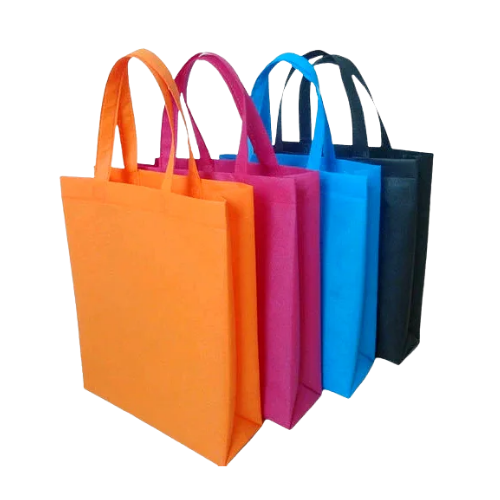
Loop Handle Non Woven Box Bags
| MOQ | 500 Kg |
|---|---|
| Size | All Sizes Available |
| GSM | All GSM Available |
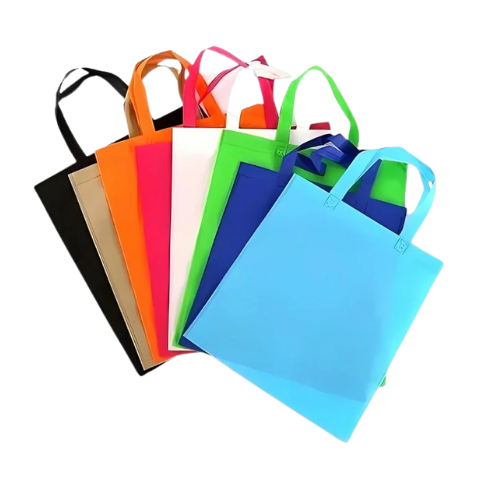
Loop Handle Non Woven Bags
| MOQ | 500 Kg |
|---|---|
| Size | All Sizes Available |
| GSM | All GSM Available |
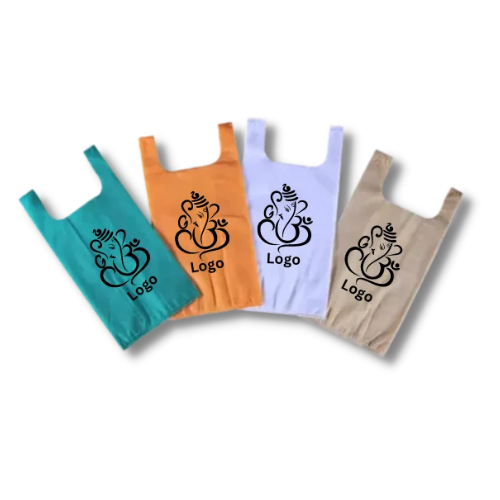
Printed U Cut Non Woven Bags
| MOQ | 500 Kg |
|---|---|
| Size | All Sizes Available |
| GSM | All GSM Available |
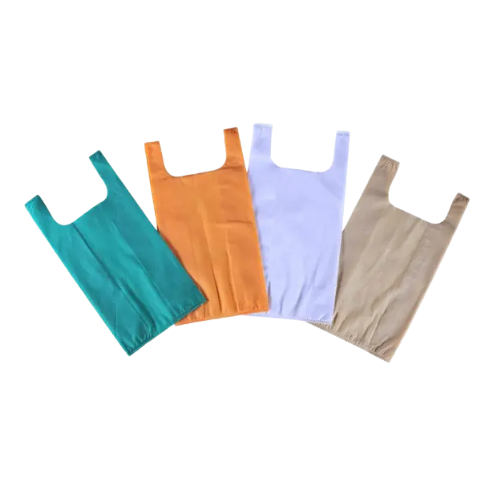
U Cut Non Woven Bags
| MOQ | 500 Kg |
|---|---|
| Size | All Sizes Available |
| GSM | All GSM Available |
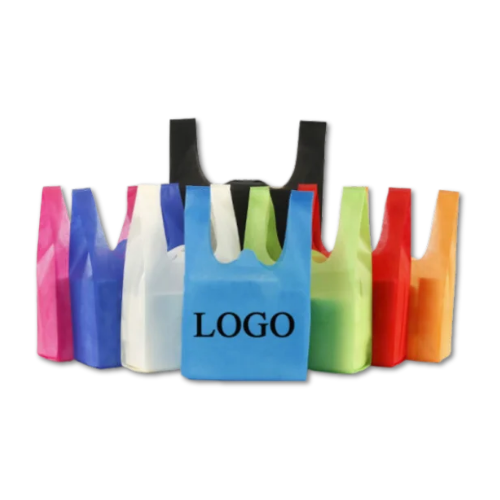
Printed W Cut Non Woven Bags
| MOQ | 500 Kg |
|---|---|
| Size | All Sizes Available |
| GSM | All GSM Available |
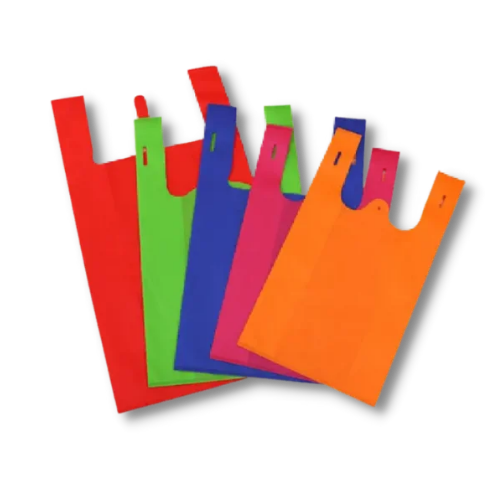
W Cut Non Woven Bags
| MOQ | 500 Kg |
|---|---|
| Size | All Sizes Available |
| GSM | All GSM Available |
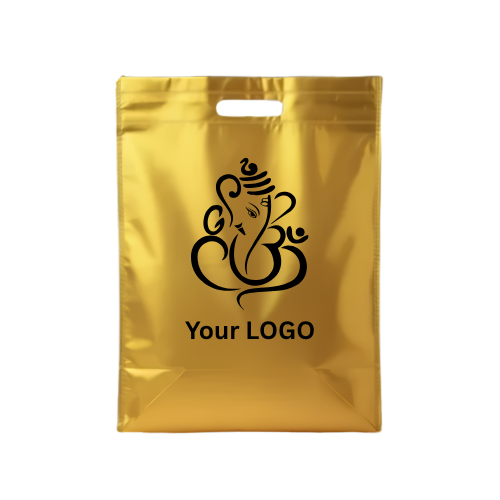
Printed D Cut Laminated Non Woven Bags
| MOQ | 500 Kg |
|---|---|
| Size | All Sizes Available |
| GSM | All GSM Available |
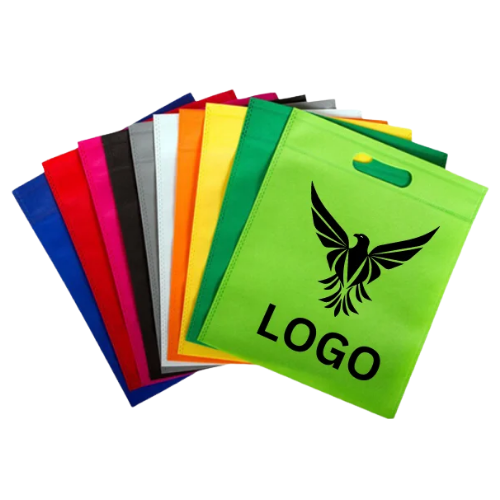
Printed D Cut Non Woven Bags
| MOQ | 500 Kg |
|---|---|
| Size | All Sizes Available |
| GSM | All GSM Available |
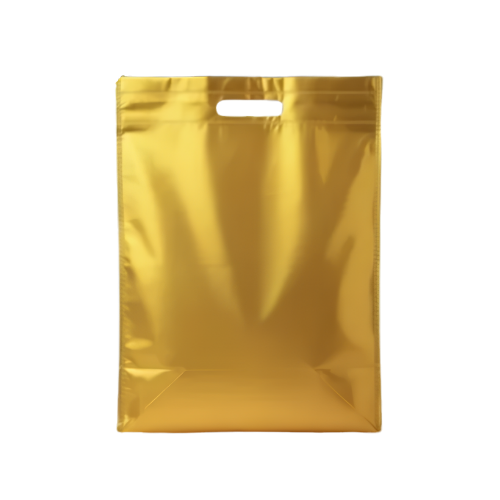
D Cut Laminated Non Woven Bags
| MOQ | 500 Kg |
|---|---|
| Size | All Sizes Available |
| GSM | All GSM Available |
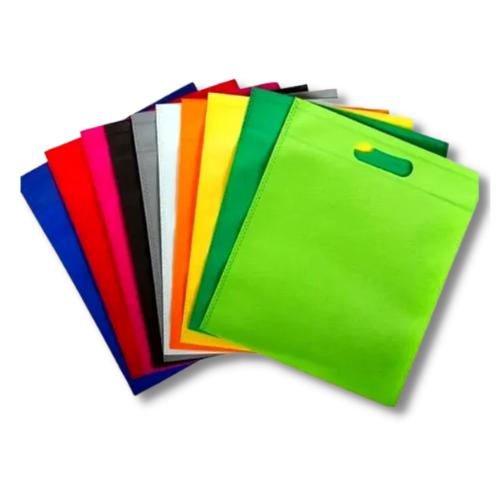
D Cut Non Woven Bags
| MOQ | 500 Kg |
|---|---|
| Size | All Sizes Available |
| GSM | All GSM Available |
No products match your search.
Non Woven Fabric & PP Material: Complete Guide to GSM, Manufacturing & Applications
Non woven fabric is one of the most versatile materials used in modern packaging, retail bags, filtration, medical products, agriculture, hygiene products, promotional packaging, and industrial applications. Unlike conventional woven textiles, non woven fabric is produced by bonding or entangling fibres to create a fabric-like sheet without weaving yarns in the traditional way.
For businesses involved in shopping bags, grocery bags, promotional packaging, and customized carry bags, understanding non woven fabric is important because material type, GSM, colour, finish, and production process directly affect the final bag.
Satnam Overseas provides non woven fabric solutions for different applications, with a strong focus on materials suitable for bag manufacturing and customized non woven products. This guide explains what non woven fabric is, how PP non woven fabric is produced, how GSM affects performance, how to choose fabric for bag making, and the factors that influence Non Woven Fabric Price.
What Is Non Woven Fabric?
Non woven fabric is a textile-like sheet made from fibres that are bonded or mechanically entangled instead of being woven together as traditional fabric. The manufacturing process allows different fibres and production techniques to be used according to the intended application.
One of the most widely used materials for commercial non woven bags is polypropylene, commonly called PP. PP non woven fabric is lightweight, flexible, available in different GSM levels, and suitable for cutting, stitching, heat sealing, printing, and bag production.
The term non woven fabric covers a wide range of materials. Depending on the fibre and manufacturing process, non woven fabric can be made from polypropylene, polyester, viscose, cotton, or blended fibres. This is why the term non woven cotton fabric refers to a different material choice from PP non woven fabric.
For bag making, buyers should clearly specify the required raw material instead of ordering only by the generic term “non woven fabric.”


PP Non Woven Fabric for Bag Making
PP non woven fabric is widely used for bag manufacturing because it provides a practical combination of flexibility, light weight, customizability, and production efficiency.
The fabric can be converted into different bag structures, including D cut, W cut, U cut, loop handle, box bags, shopping bags, and customized carry bags.
A non woven fabric manufacturer can produce or supply fabric according to requirements such as:
- GSM
- Width
- Colour
- Surface finish
- Roll specification
- Printing compatibility
- Bag application
- Required quantity
How Is Non Woven Fabric Manufactured?
The manufacturing process can vary according to the fibre, production technology, and final application. PP non woven fabric commonly starts with polypropylene polymer, which is processed into fibres and then converted into a continuous sheet.
A simplified production flow includes raw material preparation, fibre formation, web formation, bonding, finishing, inspection, and packing.
1. Raw Material Preparation
For PP non woven fabric, polypropylene polymer is prepared according to the required production specification. Additives or masterbatch may also be used when specific colour or performance requirements are needed.
2. Fibre Formation
The polymer is processed to create fine fibres. These fibres become the foundation of the non woven web.
3. Web Formation
The fibres are distributed into a web or sheet with a controlled structure. The arrangement of fibres influences the properties of the final fabric.
4. Bonding
The fibre web must be bonded to create a stable fabric. Depending on the manufacturing technology, heat, pressure, chemical bonding, or other methods may be used.
For common PP spunbond non woven fabric, thermal bonding is used to create a continuous sheet suitable for commercial applications.
5. Finishing
The fabric can then be processed for required width, colour, surface characteristics, printing suitability, or other specifications.
6. Inspection and Packing
Finished rolls are checked according to the production requirements and then packed for transportation or further conversion into products such as bags.
Understanding the manufacturing process helps buyers communicate more clearly with a Non Woven Fabric manufacturer and select a material appropriate for the intended application.
Understanding GSM in Non Woven Fabric
GSM stands for grams per square metre. It is one of the most important specifications when purchasing non woven fabric because it indicates the fabric’s weight per unit area.
GSM affects the feel, thickness, stiffness, handling characteristics, and suitability of the material for different applications. However, GSM alone should not be treated as a complete measure of product performance. Bag dimensions, construction, handle design, raw material, and manufacturing quality also matter.
Lower-GSM materials may be appropriate for lightweight applications, while higher-GSM materials are often selected when a more substantial fabric is preferred.
For bag making, the appropriate GSM should be selected based on:
- Product weight
- Bag dimensions
- Expected usage
- Handle construction
- Required appearance
- Printing requirements
- Customer expectations
- Production method
A professional supplier should therefore recommend fabric according to the complete bag specification rather than selecting GSM in isolation.
Non Woven Fabric for Bag Making
When purchasing non woven fabric for bag making, businesses should consider the fabric as part of the final bag structure.
A fabric specification that works for one bag may not be appropriate for another because a D cut shopping bag, loop handle garment bag, and box bag have different construction requirements.
Important considerations include:
Fabric strength: The material should be appropriate for the expected application and handling conditions.
GSM: The required fabric weight should match the intended product and construction.
Width: Roll width should be compatible with the cutting plan and bag dimensions.
Colour: Plain, standard, or customized colours may be selected according to branding requirements.
Printing compatibility: If the fabric will be printed, the surface and production specification should support the intended printing process.
Finish: Different applications can require different surface characteristics.
The goal is to reduce material waste while achieving the desired finished-bag dimensions and appearance.
Non Woven Cotton Fabric vs PP Non Woven Fabric
The phrase non woven cotton fabric can refer to non woven materials made using cotton fibres. Cotton-based non woven materials may be chosen for applications where specific fibre characteristics are required.
PP non woven fabric is different because polypropylene is a synthetic polymer and is commonly used for commercial bag manufacturing.
The two materials should not be treated as interchangeable.
Cotton-based non woven materials can be relevant to certain textile, medical, filtration, hygiene, or specialty applications, while PP non woven fabric is widely associated with shopping bags, grocery bags, promotional bags, packaging products, and other industrial uses.
For businesses ordering fabric for bags, it is therefore important to state whether the required material is PP non woven fabric or another fibre-based non woven material.

Applications of Non Woven Fabric
Non woven fabric is used across many industries because it can be engineered for different purposes.
Packaging and Shopping Bags
PP non woven fabric is widely used for reusable shopping bags, grocery bags, retail packaging, promotional bags, and customized carry bags.
The material can be converted into different bag structures and printed with brand information.
Garment Packaging
Garment and clothing businesses may use non woven fabric for shopping bags, garment bags, packaging covers, and promotional packaging.
Medical and Hygiene Applications
Certain non woven materials are used in medical and hygiene products. The required fibre, bonding method, filtration characteristics, and other specifications vary by application.
For specialized applications such as medical textiles, the material should always be selected according to the actual technical and regulatory requirements.
Agriculture
Non woven materials can also be used in agricultural and horticultural applications where lightweight engineered fabrics are required.
Industrial Applications
Depending on construction and performance requirements, non woven materials can be used in filtration, insulation, protective products, and other industrial applications.
Promotional Products
The ability to customize colour, size, shape, and printing makes non woven fabric useful for promotional campaigns and event packaging.
Factors Affecting Non Woven Fabric Price
Non Woven Fabric Price can vary significantly depending on the material specification and production requirements.
The main factors include:
Raw material: PP grade and other fibre choices affect material cost.
GSM: Changes in fabric weight affect the amount of raw material used.
Colour: Customized colours and masterbatch requirements may affect production cost.
Width: Different roll widths can influence production and conversion efficiency.
Order quantity: Bulk quantities can affect manufacturing economics.
Finish and specifications: Special requirements can add processing or production costs.
Printing: Printed material or finished bags require additional processing.
Bag conversion: If fabric is being converted into bags, bag size, handle style, printing, lamination, and construction also affect the final product cost.
For this reason, a reliable quotation should be prepared using the actual fabric or finished-bag specifications instead of relying on a generic price per kilogram.
How to Choose a Non Woven Fabric Manufacturer
Selecting the right Non Woven Fabric manufacturer is important because consistent material quality can affect production efficiency and final product quality.
When comparing suppliers, businesses should examine:
Material specification: Confirm whether the fabric is PP or another required fibre.
GSM consistency: The specified GSM should remain consistent with the production requirement.
Colour consistency: Important for branded and repeat orders.
Roll width: The supplied width should suit the cutting and bag-making process.
Production capacity: Larger orders require a manufacturer capable of maintaining consistent output.
Customization: Confirm whether the supplier can produce required colours, sizes, and specifications.
Quality control: Ask about inspection procedures and production checks.
Packaging and dispatch: Fabric rolls should be packed appropriately to reduce handling and transportation issues.
A strong supplier relationship can make repeat ordering easier because specifications can be standardized for future production.
Non Woven Fabric for Customized Bags
Customization is one of the major advantages of non woven fabric for bag manufacturers.
Depending on the product specification, businesses can customize the final bags with different colours, dimensions, GSM levels, handle styles, printing, and finishing.
For example, a retail company may require a branded D cut bag, while a garment business may prefer a larger loop handle bag. A grocery company may require a practical shopping bag in a particular colour and GSM.
This flexibility makes PP non woven fabric a useful material for businesses that want to align packaging with their product and brand identity.
For related Satnam Overseas content, buye

Why Choose Satnam Overseas for Non Woven Fabric?
Satnam Overseas focuses on non woven products and customized solutions for businesses that need practical material specifications for packaging and bag manufacturing.
Customers can discuss requirements related to:
- PP non woven fabric
- Different GSM specifications
- Custom colours
- Non woven fabric for bag making
- Shopping and grocery bag production
- Printed non woven bags
- Customized bag sizes
- Bulk requirements
For businesses looking for a Non Woven Fabric Supplier In Delhi or a manufacturer serving broader markets, it is important to discuss the complete requirement before production, including material type, GSM, colour, width, application, and quantity.
A clear specification helps reduce misunderstandings and makes it easier to produce consistent material for repeat orders.
Conclusion
Non woven fabric is a versatile material with applications ranging from shopping and grocery bags to medical, agricultural, industrial, promotional, and packaging products. Among the different material options, PP non woven fabric is widely used for commercial bag making because it can be produced in different GSM levels, colours, widths, and specifications.
Understanding the difference between raw material, GSM, manufacturing process, fabric construction, and final application is essential when selecting a Non Woven Fabric manufacturer.
For businesses looking for non woven fabric for bag making, the most important step is to define the required application and specifications before ordering. GSM, bag dimensions, colour, printing requirements, handle construction, and quantity should all be considered together.
Satnam Overseas can help businesses discuss customized non woven fabric and bag requirements according to their intended application. By selecting the right material specification and production partner, businesses can develop packaging that meets their functional requirements while maintaining consistency across repeat orders.
Tags: non woven bags manufacturer in delhi, d cut non woven bag, laminated non woven bag, w cut non woven bag, non woven bag manufacturer in kolkata, non woven bag manufacturer in ahmedabad, non woven bags manufacturer, non woven bags wholesale, non woven fabric bags, non woven polypropylene bags, non woven box bag, pp non woven bags, non woven carry bags, non woven bag printing, non woven bags
Frequently Asked Question
Non woven fabric is a textile-like material manufactured by bonding or entangling fibres instead of weaving them together. It can be produced from materials such as polypropylene, polyester, viscose, cotton, and other fibres. PP non woven fabric is widely used for shopping bags, grocery bags, promotional bags, packaging, and other commercial applications.
PP non woven fabric is commonly used for shopping bags, grocery bags, carry bags, promotional bags, retail packaging, garment packaging, and customized non woven products. Its flexibility, light weight, customizable GSM, colours, and printing options make it suitable for many packaging applications.
The suitable GSM depends on the bag size, product weight, handle design, intended usage, and required appearance. Lightweight applications may use lower GSM material, while applications requiring a more substantial fabric may require higher GSM. The correct GSM should be selected according to the complete bag specification rather than GSM alone.
Non woven cotton fabric is made using cotton fibres, while PP non woven fabric is manufactured from polypropylene polymer. They have different material characteristics and applications. PP non woven fabric is commonly used for commercial shopping, grocery, retail, promotional, and packaging bags, while cotton-based non woven materials may be selected for specific textile or specialty applications.
The manufacturing process depends on the material and production technology. PP non woven fabric generally involves raw material preparation, fibre formation, web formation, bonding, finishing, inspection, and packing. In common spunbond PP production, fibres are formed and thermally bonded into a continuous non woven sheet.
Non Woven Fabric Price depends on several factors, including raw material, GSM, colour, roll width, order quantity, finishing requirements, production specifications, and customization. If the fabric is being converted into bags, size, printing, handles, lamination, and bag construction can also affect the final product cost.
When choosing a Non Woven Fabric manufacturer, consider material quality, GSM consistency, colour consistency, roll width, production capacity, customization capability, quality-control practices, packaging, and delivery. It is also useful to provide the manufacturer with complete specifications so the material can be produced consistently for repeat orders.
Yes. Non woven fabric for bag making can be customized according to requirements such as GSM, colour, width, size, printing compatibility, and application. The resulting bags can also be customized with different handle styles, dimensions, printing, and finishing options.
Yes, PP non woven fabric is widely used for shopping and grocery bags. It can be manufactured in different GSM levels, colours, sizes, and bag constructions. Businesses can also add customized printing and branding according to their packaging requirements.
Satnam Overseas can discuss non woven fabric and customized bag requirements for bulk applications. Buyers can provide specifications such as material type, GSM, colour, size, application, printing requirements, and quantity to determine a suitable product specification and quotation.
Related Products
Non Woven Fabric, non woven cotton fabric, Non Woven Fabric manufacturer, Non Woven Fabric Price, Non woven Fabric for bag making
Non Woven Fabric, non woven cotton fabric, Non Woven Fabric manufacturer, Non Woven Fabric Price, Non woven Fabric for bag making
Non Woven Fabric, non woven cotton fabric, Non Woven Fabric manufacturer, Non Woven Fabric Price, Non woven Fabric for bag making
What Our Customers Say
Real feedback from businesses that have worked with Satnam Overseas.
Write a Google ReviewWhy Choose Us

SATNAM OVERSEAS
Our products are enormously admired due to their exclusive designs, low maintenance, numerous sizes and high strength. Besides, our products are made by well-informed expert’s team who has years of practice of this realm.

Quality Control

Original Product

Best Price

Fast Delivery
For Best Deals call now